Below please find a link which contains my final MREM project report, which is titled Seafood Ecolabels: For Whom and to What Purpose.
https://sites.google.com/site/mremprojectreportkaitlanlay/
If there are any comments please send them my way!
Taking a look at the environmental footprints that we have left behind as well as the road ahead.
Seafood Ecolabels: For Whom and to What Purpose?
Sad News: Death of a Great White Shark
Taken from: http://montereybayaquarium.typepad.com/sea_notes/2011/11/sad-news-death-of-a-great-white-shark.html
We're saddened to announce that the young great white shark we released on October 25 off the coast of southern California has died. This is a very difficult day for all of us at the Monterey Bay Aquarium, and for everyone who saw and cared about this animal.Based on the shark’s behavior and overall condition prior to release, our white shark team had every confidence that he would do well back in the wild -- as was the case with five other young great whites released from the aquarium.
Unfortunately, according to data from the tracking tag he carried, the shark died shortly after he was released.
"Our Husbandry team is unrivaled in its knowledge of young great white sharks, and I’m so proud of the passion and dedication they demonstrate each day," said aquarium Managing Director Jim Hekkers. "This is a difficult time for all of us –- and especially for the team members who devoted so much attention and care to an animal that had such a powerful impact on the attitudes of our visitors toward conservation of ocean wildlife."
While this is a setback, in the weeks to come, our white shark team will review its procedures and protocols to see if there are any changes we should consider so we can continue to do what we do best: give our animals exceptional care and, through our living exhibits, inspire visitors from around the world to care about –- and care for -– ocean wildlife.
Right now, while we are shocked and saddened by this loss of this shark, we remain fully committed to our white shark work.
Five other great white sharks have been successfully returned to the wild after spending periods between 11 days and six-and-a-half months at the aquarium. One other animal –- a small shark that fed only once during its 11 days on exhibit –- was also transported south to Goleta for release. Four other sharks were released in Monterey Bay.
Tracking data from all five sharks confirmed they survived their release, though one of the sharks died four months later in a fisherman’s net in Baja California.
Exhibit of young great white sharks is one element of Project White Shark, our work with research colleagues to learn more about white sharks in the wild as well as to inspire visitors to become advocates for shark conservation by bringing them face to face with sharks on exhibit.
Since 2002, we've tagged and tracked 47 juvenile great white sharks off southern California. Earlier this year, we were the lead sponsor of legislation enacted in California that outlaws the shark fin trade –- a major factor in the global decline of shark populations.
In the past decade, we've allocated nearly $2 million toward studies of adult and juvenile great white sharks in the wild –- research aimed at better understanding and protecting white shark populations.
Genetically Modified Salmon in the News
This media analysis was written for my Sociopolitical Dimensions of Resource and Environmental Management class last semester.
Introduction:
Genetically modified foods (GM foods) first appeared on the market in the early 1990’s. As stated by the World Health Organization: “genetically modified organisms (GMOs) can be defined as organisms in which the genetic material (DNA) has been altered in a way that does not occur naturally… It allows selected individual genes to be transferred from one organism into another, also between non-related species” (2011). The first commercially grown GM food released for public consumption was the FlavrSavr tomato, which “tests showed… picked ripe from the vine, had an unusually long shelf life. After three or four weeks at room temperature they essentially looked and felt as if they had just been picked, whereas ordinary vine-ripened tomatoes were noticeably shrivelled and rotting” (Martineau, 2001). Since the introduction of GM crops many farmers have come to rely on biotech crops in place of conventional crops (ISAAA, 2009). According to the ISAAA, in 2009 “a record 14 million farmers, in 25 countries, planted 134 million hectars of biotech crops”(Slide 9). Developed countries have become heavily dependent on GM foods, with “more than half the crops grown in the U.S., including nearly all the soybeans and 70% of the corn, being genetically modified” (Hindo & Schneyer, 2007). It was not until recently that the issue of commercially grown GM animals began to appear in the news. The production of ‘Enviropigs’, ‘AquAdvantage’ salmon, GM goats that produce human breast milk and chickens who’s eggs contain proteins for cancer-fighting drugs (Belluz, 2010) has created a greater divide between critics and supporters of GM foods. Supporters suggest that GM animals will help alleviate the pressures of global food demand for our worlds’ ever growing population. While critics claim that the GM animals pose risks not only to the natural environment but also to human health. AquaBounty’s genetically modified Atlantic salmon has added DNA from Chinook salmon and ocean pout, which causes the fish to grow twice as fast as regular Atlantic salmon. The company claims that the GM salmon will be grown at inland facilities and that they are reproductively sterile (AquaBounty, 2011). The discussion surrounding AquaBounty’s AquAdvantage salmon is critical in the discussion of GM animals, as it has already gone through hearings regarding its approval for sale from the FDA and would have been the first GM animal to be approved for human consumption. This paper will explore the information that was provided to the public through newspapers and news clips, before, during, and after the hearings regarding the approval of GM Atlantic salmon.
Purpose:
The purpose of this media analysis is to explore the information that was provided to the general public through newspapers and news clips, surrounding the hearings regarding the approval of GM Atlantic salmon. The analysis was also used to identify the themes that appeared in the articles as well as the timing of those articles. The final objective of the analysis was to uncover any underlying messages that the media was inadvertently sending the public regarding the issue.
Major Findings:
Some of the major findings that were uncovered during the media analysis were that journalists writing stories on the issue of GM salmon heavily relied upon key informants to construct the articles. Many of these informants had very opposing view points, which in most cases required the journalists to include both sides of the story to create a ‘neutral’ viewpoint. Coverage of the issue was heightened during the two days of hearings, which included the FDA, AquaBounty, and critics. It was also found that there were a number of themes that were used consistently throughout the reporting, which assisted with the development of the stories as well as creating interest in the issue.
Methodology:
For the media analysis of Aquabounty’s GM salmon a list of search terms was first developed. As there are a variety of terms used in relation to the GM fish and its surrounding issues, a list of the five most common labels was created (Genetically Modified Salmon, GM Salmon, AquaBounty, AquaAdvantage, Frankenfish). These search terms were used to obtain appropriate articles from both national and international news sources. The articles were found through the use of search engines of electronic databases such as Lexis Nexis, Google News and Google. The search provided ten articles and two television news clips from news outlets such as CBC News, CTV, ABC News, The Ecologist, The Globe and Mail, The Toronto Star, Huffington Post, The Observer, Aljazeera, PBS and The Independent.
Topic Analysis
When the stories ran:
Hearings regarding the approval of sale of genetically modified salmon began on September 19th 2010 and concluded on September 20th 2010. AquaBounty, the FDA and critics presented their findings to an advisory committee on September 20th. The committee then advised the FDA on whether to approve the sale of the GM fish. There was some coverage of the GM salmon issue prior to the hearing, with most of these articles providing the general public with a broad overview of the issue as well as opinions from opposing parties. However, most coverage of the GM salmon issue occurred on the same day as the final day of hearings, September 20th, 2010. These articles focus on the inability of the panel to come to a final conclusion regarding the sale of GM salmon. The articles also attempt to portray the frustrations of both the advocates and critics of the GM salmon surrounding the decision. The articles that were released after the hearing focused more on the issue of the labelling of GM animals as well as the uncertainty of future decisions regarding the approval of the salmon.
Where the stories ran:
Most of the GM salmon articles that appeared in the papers would be classified as news pieces, as they were generally straightforward stories that reported on the latest events surrounding the issue. The collection of articles that was assembled for the media analysis represent a national and international interest in the issue as the selected media came from Canada, the U.S., and Europe. The stories that ran regarding GM salmon appeared in a variety of sections in the papers. Depending on the angle the journalist approached the story from, the articles were in sections such as: Health, Food, Green, Canada, PEI, News in Brief, and In Focus. The array of sections that the articles appeared in shows the complexity of the issue as it affects numerous aspects of the public’s everyday life. The Toronto Star article “Genetically modified salmon is ready for dinner” appeared in the ‘Food’ section. This article may cause the reader to focus on the issues regarding the consumption of the GM salmon and its possible effects on the human body. The Huffington Post article “Genetically modified salmon hearing begins” appeared in the ‘Green’ section, which could cause the reader to focus on issues surrounding the environmental implications that may occur if the GM salmon was approved for commercial sale.
Categories:
The categories that appeared in the GM salmon articles included: the global food crisis, human health risks, environmental risks, labelling of GM foods, and GM salmon opening the door for other commercial GM animals. The issue of the global food crisis frequently appeared in the articles with AquaBounty arguing that the GM salmon will help feed more people as the salmon could be farmed closer to population centers. This topic was usually followed with the argument that the GM salmon would also help alleviate pressures on wild salmon population. The topic of human health risks was argued from both sides, with critics claiming that there are too many health risks that could possibly be associated with GM salmon and supporters claiming that no health risks exist because the GM salmon is no different from regular salmon. Environmental risks was another topic that was argued from both sides, with the supporters claiming that the environmental risks would be minimal because AquaBounty has put safeguards in place (sterile fish and land base farming), while those who oppose GM salmon state that the possibility exists for some of the fish to be able to reproduce and escape into the wild. The issue of labelling was a large topic in many of the articles that appeared after the hearings. AquaBounty claims that it is unnecessary to label the GM salmon due to the fact that they are the ‘same’ as regular salmon; whereas critics claim that the public has a right to know if they are purchasing GM animals. The final category of GM salmon opening the door for other GM animals was a topic that was discussed consistently through the articles, as it is seen as a positive step for AquaBounty and similar companies, while for critics it is seen as a threat to consumer rights. Through the diversity of these topics reporters were able to focus on a variety of issues that surround GM salmon. However, many of these categories required the reporters to rely on specific sources, such as scientists, environmentalists, and the company itself, which can cause biased information to appear in the article that needs to be countered with information from alternative sources. This is why in many of the articles regarding GM salmon journalists include quotes and information from all sides: critics, advocates and government.
Framing Analysis:
Some of the frames that were used during the reporting of GM salmon were:
The big bad company: Many of the stories were framed with the idea that AquaBounty, the company responsible for the creation of GM salmon and who was pressing for FDA approval, was the big bad company who had come to change the way we produce our meat. In many of the articles critics accuse AquaBounty of withholding proprietary information concerning the GM salmon. The company also takes the fall for trying to open the doors for approval of other GM animals, such as pigs and goats. This frame is an easy one to apply to the issue of GM animals, as a large portion of the public have already formed opinions on GMOs in the wake of companies such as Monsanto. In using this frame, reporters create an image of the large corporation who is only concerned with money, power, and having no regard for the environment or human health.
Eco-warriors: The inclusion of the environmental activist was an important frame for many of the articles. In the stories that used this frame, there was a sense that the small consumer and environmental groups were battling against the company and the government to assert the rights of the general public. This frame carries positive associations of a fighter, the search for truth, and looking out for one another.
GM foods are evil: Negative connotations have surrounded GM foods since they were first discussed. The unnaturalness of GM foods in some cases is presented as evil and that they do more harm than good. This frame is used in the articles in which the critics of GM salmon are a main focus, as it pushes the idea that these altered animals are not fit for human consumption.
Government/ FDA decision making: Many of these stories were framed with the idea that both the American and Canadian Governments were inadequately addressing the issues and concerns of the critics and general public concerning GM salmon. Before the hearings had begun and without all of the information and evidence the FDA made the statement that ‘GM salmon are safe to eat’, which indicates that the FDA was trying to assure Americans that it was unnecessary to be concerned about eating GM salmon. However, the statement may have done the exact opposite, causing more people to question how the FDA could make such a statement without the proper information. In using this frame reporters present the idea that the government is on the side of the company and that it is an uphill battle for those concerned with the approval of GM animals.
Spokesperson Analysis:
In many of the articles covering GM salmon, quotes were used to argue both sides of the issue, critics and supporters of the approval. In the analysis of the articles it was found that critics of the approval were quoted most often and that there was a larger pool of spokespeople discussing the possible negative impacts the GM salmon may introduce. The critic’s quotes were taken from an array of nonprofit organizations, each of which have varying missions but take the same position when discussing GM animals. Wenonah Hauter, the Executive Director of Food and Water Watch, was quoted in a number of articles in which she focused on consumer rights and the food supply. Most of the quotes from GM salmon critics focused on the uncertainty that surrounds GM salmon in terms of human health, environmental risks, as well as the lack of data. The critics have also come up with the catchy name ‘Frankenfish’ to refer to GM salmon, which has become a favourite reference to GM salmon for journalists.
Ron Stotish, the Chief Executive Officer at AquaBounty was quoted in almost all of the articles. Stotish’s quotes have a very convincing tone, but in the end many of the comments come off as unbelievable, for example: “This fish is identical to the traditional food”. He consistently used the terms ‘conventional’ and ‘traditional’, to refer to regular Atlantic salmon, which creates the divide between GM salmon and regular salmon, which AquaBounty was trying so hard to eliminate.
The quotes from both critics and the advocates of GM salmon contained charged language that was sure to grab the attention of the readers and made it easy for the journalists to set the tone for the article. Quotes from the critics often contained negative fearful language such as: dangerous, uncertain, unpredictable, irreversible consequences, outrageous, slippery slope and flimsy science. Whereas the quotes from the advocates contained positive, enthusiastic language such as: sky’s the limit, solution, identical, reducing environmental footprint and mitigating the impending global food shortage.
The FDA’s statement of GM salmon being “as safe to eat as food as other Atlantic salmon” was one of the most frequently referred to statements throughout the articles. This statement influenced headlines: “Engineered-in-Canada salmon declared fit for the dinner plate” (The Globe and Mail) and was used alongside many supporting arguments of the GM salmon advocates. The FDA, being the final decision maker on GM salmon made this untimely comment that was used by journalists as a way of showing the FDA supporting the GM salmon a head of the legal hearings.
Members of the public and academics were quoted least often. The limited inclusion of academic quotations was odd, since some of the experimental GM animals are products of university research, for example the ‘Enviropig’ at the University of Guelph. The minimal inclusion of quotations from the general public on the other hand seemed appropriate, as these news articles were some of the first bits of information disseminated to the public and therefore it would have been ill advised to include uninformed quotations from the public in an informative article.
Conclusion and Recommendations:
The GM salmon media analysis shows that story coverage increased at the time of heightened controversy, which was in response to the two day hearing that took place on September 19th and 20th 2010. This suggests that the majority of journalists assumed the story to be of low interest until the salmon were very close to the public’s dinner plate. It also indicates that many journalists write stories that they view as newsworthy, and not as a way of informing the public. If stories regarding the GM salmon had been written earlier, perhaps there would have been the same level of public outcry and the issue may have seen a different outcome.
The analysis also suggests that many of the journalists relied heavily on key informants and that they were quite selective with the quotations that they included in the articles. The bulk of the quotations came from AquaBounty’s Ron Stotish and to counter these ideas, quotes from environmental groups were included. It would have been interesting had the journalists included some neutral information from scientists regarding the possible positive or negative outcomes of the GM salmon. It is hard for the public to accept information from an article that offers two very conflicting ideas without any neutral ground.
References
AquaBounty Technologies. (2011). AquaAdvantage Fish. Retrieved from http://www.aquabounty.com/products/products-295.aspx
Bellus, J. (2010, October 25). Green eggs and ham: Are genetically modified animals the solution to the environmental problem of a growing market for meat? Maclean’s, 123(41), 72.
Carollo, K. (2010, September 20). Surprise: FDA panel unable to reach conclusion on genetically modified salmon. ABC News. Retrieved from http://abcnews.go.com/Health /WellnessNews/fda-unable-reach-conclusion-genetically-modified-salmon/story?id=11682586
CBC News. (2010, September 21). Labels for GM salmon debated in U.S. CBC News. Retrieved from http://www.cbc.ca/canada/prince-edward-island/story/2010/09/21/con-salmon-hearing.html
CBC News. (2010, November 22). GM salmon analysis a secret, groups complain. CBC News. Retrieved from http://www.cbc.ca/canada/prince-edward-island/story/2010/11/22/pei-aquabounty-environment-assessment-584.html
Connor, S. (2010, September 22). Coming to the human food chain: GM salmon that grows and grows; A landmark in genetic modification is provoking fierce reactions. The Independent. Retrieved from https://www.lexisnexis.com/hottopics/lnacademic/
CTV News Staff. (2010, September 16). P.E.I. groups oppose genetically modified salmon. CTV News. Retrieved from http://www.ctv.ca/CTVNews/Canada/20100916/genetically-modified-salmon-100916/
Doward, J. (2010, September 26). The food debate: Will this GM salmon herald a revolution that changes what we eat forever? Observer. Retrieved from https://www.lexisnexis.com /hottopics/lnacademic/
Martineau, M. (2001). Food Fight. Sciences, 41(2), 24-29.
Hindo, B. & Schneyer, J. (2007, December 17). Monsanto winning the ground war. Business week, 4063, 34-38.
Huffington Post. (2010, September 20). Genetically modified salmon hearings begin. Huffington Post. Retrieved from http://www.huffingtonpost.com/2010/09/20/gm-salmon-fda-hears-argum_n_731224.html
International Service for the Acquisition of Agri-biotech Applications (ISAAA). (2009). Global Status of Commercialized Biotech/GM Crops: 2009. Retrieved from http://www.isaaa.org/ resources/publications/briefs/41/pptslides/default.asp
Jordan, R. (2010, September 21). US debates genetically modified salmon. Al Jazeera. Retrieved from http://english.aljazeera.net/video/americas/2010/09/2010921251677603.html
Kopun, F. (2010, September 8). Genetically modified salmon is ready for dinner. Toronto Star. Retrieved from http://www.thestar.com/living/food/article/857935--genetically-modified-salmon-is-ready-for-dinner
Leeder, J. (2010, September 4). Engineered-in-Canada salmon declared fit for the dinner plate. Globe and Mail. Retrieved from http://www.theglobeandmail.com/news/national/ engineered-in-canada-salmon-declared-fit-for-the-dinner-plate/article1696212/
MacNeil/Lehrer. (Producer). (2010, September 20). How safe would genetically modified salmon be to eat? (PBS News Hour). Arlington, VA: PBS.
Scott-Thomas, C. (2010, September 21). No recommendation on GM salmon after hearings. Food Quality News. Retrieved from http://www.foodqualitynews.com/Public-Concerns/No-recommendation-on-GM-salmon-after-hearings
The Ecologist. (2010, September 22). US delays approval for fast-growing GM salmon. The Ecologist. Retrieved from http://www.theecologist.org/News/news_round_ up/605861/us_delays_approval_for_fastgrowing_gm_salmon.html
World Health Organization. (2011). Food Safety: 20 questions on genetically modified foods. Retrieved from http://www.who.int/foodsafety/publications/biotech/20questions/en/
Published!
I can now say that I am a published author :) My research paper on Subsidies and their Implications on Fisheries Management in St. Lucia was selected to be published in the Dalhousie Journal of Interdisciplinary Management.
Follow the link below to read the article:
http://ocs.library.dal.ca/ojs/index.php/djim/article/view/2011vol7Lay
Hypoxia in the Gulf of Mexico and the Iceberg Model
Hypoxia is a term used to describe an environmental phenomenon where very low levels of oxygen become present in a water column. These areas are known as ‘hypoxic zones’ or ‘dead zones’ (LUMCON, 2010). Hypoxia is primarily a problem for estuaries and coastal waters and are indicated by the areas having dissolved oxygen concentrations of less than 2-3 ppm (Mississippi River/Gulf of Mexico Watershed Nutrient Task Force, 2010). Hypoxic areas have naturally occurred throughout history; however, it was not until recently that dead zones began appearing in shallow coastal and estuarine areas (NOAA, 2009). One of the causes of hypoxia in these areas today is nutrient over-enrichment (nitrogen and phosphorus) from anthropogenic sources (National Centers for Coastal Ocean Science Gulf of Mexico Hypoxia Assessment, 2003). The nutrients are used to encourage plant growth on the farm, once in the Gulf these nutrients fertilize the growth of algae, which soon die, settle to the seafloor, and decay. Bacteria feeding on the algal corpses consume such a large amount of oxygen that the water becomes unsuitable for most forms of life (Raloff, 2004). Some of the major effects of hypoxia include: long term weakening of species also stressed by overfishing, habitat loss, long-term changes in ecology, and economic loss (ESA, n.d.). Hypoxia in the Gulf of Mexico has emerged as a major area of environmental concern for the U.S. The size of the dead zone fluctuates throughout any given year, with the largest dead zones appearing in the warm summer months (NOAA, 2009). The largest dead zone in the world is found in the Baltic Sea (Larsen, 2004), while the annual hypoxic area in the Gulf is the second biggest in the world and is believed to be caused primarily by excess nutrients delivered from the Mississippi River in combination with seasonal stratification of Gulf waters (USGS, 2010). Approximately forty one percent of the land area of the continental US (1.2 million square miles) drains into the Mississippi River basin (NOAA, 2009). The average size the Gulf of Mexico dead zone is approximately 17,000 square km, roughly the size of Lake Ontario, but has reached sizes of approximately 22,000 square km (LUMCON, 2010). It has been estimated that together, the cities, suburbs, and farms along the Mississippi River watershed contribute 90% of the nutrient flow into the Gulf of Mexico (ESA, n.d.). There has been a great deal of scientific research concerning the causes of hypoxia in the Gulf of Mexico; however, there is a lack of information regarding the underlying issues that affect hypoxia, such as American policy which allows large amounts of nitrogen to be used on crops, increased agricultural demands from farmers due to issues relating to cheap food and food security, the correlation between social dependence on corn and the corn growing areas being located along the Mississippi River watershed, farmers having to try to make farming a feasible career option, global warming, fishers being effected by low catch levels, etc. All of these issues play a role in the larger system of the Gulf and need to be accounted for to develop and implement a successful management plan.
The Iceberg model takes a close look at the various parts of a system and how they come together to work as a whole. The model states that similar to an iceberg, 90% of the issues surrounding a problem remain unseen. The major event represents the 10% that
we see above water, whereas below the water there are issues such as trends and
patterns, structure and mental models all of which need to be taken into account (Yates, n.d.). The objective of the model is to understand that things within a system influence one another within a whole, and that it is easier to understand a system by looking at the relationships between the parts rather than looking at them in isolation (Ambler, 2006). Using the Iceberg model to examine the issue of hypoxia in the Gulf of Mexico will allow managers to take a closer look at the social, political, and economic issues that are embedded in the American system, which affect the Gulf of Mexico as a whole. In the past, these underlying issues have prevented managers from developing successful plans to control this environmental issue. The Iceberg model will help to uncover the interrelationships between outside factors that contribute to the overall system of the Gulf of Mexico, which will bring these factors to light and uncover the patterns of change within the system and help us work towards a positive management solution.
Over the years the size of the dead zone in the Gulf of Mexico has varied, which is a result of a variety of reasons, including amount of rainfall, temperature and the amount of sunshine, and most importantly the amount of nutrients that have been applied to crops along the Mississippi river. Each of these issues on their own present difficulties for the Gulf. Higher rainfall results in increased runoff from farm fields, large amounts of sunlight warms the water and provides energy for algae growth, and excess nutrients applied to crops wash into rivers and streams and end up in the Gulf. When these issues are looked at together as part of the overall system, it becomes clear that in combination these three elements present a large hurdle that the Gulf must overcome to return to a healthy normoxic state. The pattern of these three elements contributing to the growth of the dead zone is apparent when we start to look at how things have been changing as gulf pollution increases. Global warming is an important issue that is causing worldwide change and playing a part in the growth of the Gulf dead zone. As the world’s climate continues to rise in temperature, the sun becomes stronger which increases the stratification of the water column and as a result the algae are provided with more energy to thrive on (Diaz, 2008). As the temperature continues to increase globally we will see more instances of algae blooms, which is a rapid increase in the population of algae in an aquatic system (Science Daily, 2010), resulting in larger dead zones. It is also believed that global warming will affect rainfall. Increased rainfall will result in more flooding and higher volumes of runoff (Water Encyclopedia, 2010). It has been noted that in years of drought the hypoxic area decreases and increases during years of flood (Rabalais, 2001). More rain will also present negative effects to agricultural production as it will cause more soil erosion, which implies relatively less soil infiltration (Water Encyclopedia, 2010). A slight possibility does exist of climate change helping to ease hypoxia. If the weather becomes stormier it could mix the fresh and salt water decreasing stratification, which would help to limit the risk of oxygen depletion. The mixing that would occur through storms would not be enough to eliminate hypoxic zones, only dissipate them for a short time (Diaz, 2008). Aside from increased temperatures and higher rainfalls, the Gulf has also had to deal with the large amounts of nitrogen that runs off of the agricultural crops, estimated at approximately 1.5 million metric tons annually (Greenhalgh, 2001). Over the years farmers have been applying more nitrogen rich fertilizer than their crops need to avoid the possibility of any decreased productivity (Raloff, 2004). Nutrient influxes in estuaries have increased up to tenfold since the beginning of this century, with the greatest increase occurring after 1950 (Greenhalgh, 2001). It has been estimated that nitrate releases throughout the Mississippi River watershed would have to be cut in half from current amounts to significantly minimize the annual Gulf dead zone (Raloff, 2004). According to the NOAA (2009) “Recent research suggests that more hypoxia is resulting from the same level of nutrients going in to the water” (p. 2), which suggests that there has been such a large shift in the system which will make it harder to shrink the size of the dead zone (NOAA, 2009). The large amounts of excess nutrients entering into the Gulf is linked not only to hypoxia but also habitat loss, fish kills, and blooms of toxic algae (NOAA, 2008). Aside from issues related to climate change and excess nutrients, hypoxia has also created a pattern of change within the fishery of the Gulf of Mexico. The Gulf of Mexico is the source of 72 percent of the total U.S. harvested shrimp, 66 percent of the harvested oysters, and 16 percent of the U.S. commercial fish harvest (News & Views, 1999). The hypoxic area in the Gulf of Mexico appears in the same place as shrimp habitat and shrimp fishing grounds. Studies have found that the hypoxic areas are having a negative effect on the shrimp fishery (Zimmerman, 2001 & O’Connor, 2007) and that the catch per unit of effort for brown shrimp in the Gulf has trended down since the late 1970’s (Zimmerman, 2001). This is unfortunate news not only for the species itself, but also for the fishermen and the economy, to which the fishery generates $2.8 billion annually (NCDDC, 2010). Effects of hypoxia on fishery resources include direct mortality, altered migration, reduction in suitable habitat, increased susceptibility to predation (including by humans), changes in food resources, and disruption of life cycles (Rabalais, 2001).
There are many variables within the structure of the American political, economic, and social systems that have played a role in the continued destruction of the Gulf of Mexico. The U.S. government has created limits for major releases of nitrate into the environment because high concentrations can be toxic to wildlife and humans; however, low, diffuse nitrate emissions, from such sources as farm runoff are largely unregulated (Raloff, 2004). Aside from limited federal regulation there are also issues with localized legislation and few agricultural subsidy incentives for land stewardship, which are preventing action being taken to resolve the issue of the dead zone (Mississippi 1, 2010). This lack of regulation results in nutrient concentration in waterways where they damage ecosystem and increase the risk of hypoxia (Raloff, 2004). In 1994 the U.S. government recognized that a problem existed in the Gulf of Mexico and passed the Harmful Algal Bloom and Hypoxia Research and Control Act (NOAA. 2004). In 1997 the Mississippi River Gulf of Mexico Watershed Nutrient Task Force (a branch of the U.S. Environmental Protection Agency) was established to study the causes and effects of
eutrophication in the Gulf of Mexico; coordinate activities to reduce the size, severity, and duration of the dead zone; and to improve the effects of hypoxia (Mississippi River/Gulf of Mexico Watershed Nutrient Task Force, 2010). In 2001 The Task Force released the Action Plan for Reducing, Mitigating and Controlling Hypoxia in the Northern Gulf of Mexico to assist with the management of the problem, which was updated in 2008 (Mississippi River/Gulf of Mexico Watershed Nutrient Task Force, 2010). However, despite the recognition of the problem, according to the NOAA (2007) “management of the dead zone is hampered by poor understanding of the quantitative relationship between hypoxia and populations of commercially and recreationally important living resources”. Agricultural runoff into the Gulf of Mexico is difficult to regulate and manage because there is such a large number of sources and it has been found that individual producers do not always recognize their own contribution to the larger problem (Hudson et al. 2005). It is also difficult to create new policies that reduce the amount of fertilizer used as it is a key input that has enabled U.S. agriculture to achieve its present capability for producing vast quantities of inexpensive food, such as corn, wheat, and sorghum (Papendick, 1987). Corn is a high nitrogen-demanding crop and has become a key element of the American food supply, which has increased the number of problems for the Gulf as the Corn Belt states in the upper Mississippi are the largest contributors of nitrate and phosphate pollution in the river (1 Mississippi, 2010). Using the example of corn production, it is easy to see how the dead zone of the Gulf of Mexico is closely related to the social, economic, and political structures of America; consumers demand vast amounts of low-cost food; the government continues to subsidize corn to keep prices low and to keep other products such as beef or high-fructose corn syrup cheap (MacLean, 2002); and the farmers are forced to grow large crops that can materialize quickly, which increases the amount of fertilizer used. Due to the fact that the application of nutrients on crops for food production has become such an large factor for food production for the U.S. it is important to realize that the complete elimination of fertilizers is unrealistic and that policy makers and managers need to look at ways to improve nitrogen efficiency to minimize environmental damage and costs to farmers (Papendick, 1987). The fact that the U.S. ranks among the richest and most powerful nations in the world has created a disconnect between the American lifestyle and the effects that this lifestyle has on the environment. When an entire nation’s society depends on cheap and abundant food, stress is placed on all of the systems that are connected to food production, and one of those systems happens to be the Gulf of Mexico. To effectively combat the dead zone in the Gulf the general public needs to become aware and educated on the topic of hypoxia. In a recent study, when asked the question “Have you heard of hypoxia or the hypoxic zone” only 12.4% of respondents reported awareness, showing that in fact, many Americans are unaware that their current lifestyle is having a major effect on the global environment (Hudson et al, 2005). These negative patterns of lack of government and public involvement have increased the size of the dead zone over the years, but could be resolved with the implementation of stronger policy and increased public education.
These political, economic, and social structures have remained in place, causing the dead zone to grow, due to the fact the majority of American citizens have given up their voice and allowed industry and government to make decisions for the individual. Industry has accepted this offering of power and now makes the bulk of decisions that affect communities and individuals alike. North Americans live in a consumer driven society which can be manipulated by mass media (Brooks, 2007), and in many cases to go against the grain results in a negative image. This results in the creation of a passive society, where having a 61.6% voter turnout is considered to be a good year (US Elections Project, 2010). We live in an age where life is fast paced and to keep up we have made certain sacrifices: overpopulated cities, fast food, excessive amounts of waste and pollution, etc. With all of these sacrifices public stakeholders should be taking greater responsibility and getting more involved and taking greater action. When industry bombards consumers with ads and images of cheap corn based products instead of rushing out to buy a big mac, American citizens need to take a step back and be able to make the association between the products and the effects that they are having on their personal and environmental health. Stakeholders need to assume their rights and demand improved environmental conditions concerning food production. Stakeholders need to demand increased government policy surrounding land use and water quality. Finally, stakeholders need to demand improved management plans of the Mississippi River basin. The cycle of applying excessive nutrients to crops, causing runoff into the river, which ends up in the Gulf, where hypoxia forms, needs to become a household issue if it is to be resolved. By applying pressure on fellow stakeholders, government, and industry it will become evident that land use and water quality are issues that citizens must be involved in during the discussion and decision-making process. Stewardship, the efforts to create, nurture, and enable responsibility in landowners and resource users to manage and protect land and its natural and cultural heritage (Brown, 2000), is an important approach that can help minimize issues in the Gulf. To be effective environmental stewardship must become closely intertwined with American culture. Environmental stewardship can help rekindle the feeling of community and encourage others to take action and responsibility for the health of their water. In the end it is up to the average citizen to transform the existing social beliefs by becoming more aware of the issues and areas of concern that industry and government make decisions on without consulting the general public. Without the acceptance of responsibility for the current environmental situation of the planet, stakeholders need to realize that in the end they are the people that must deal with the outcome of the final decisions that are made.
Hypoxia in the Gulf of Mexico has grown at an alarming rate over the past 50 years
and will continue to do so if the political, social, and economic systems involved in the Gulf of Mexico do not change. The Iceberg model has allowed for a closer look at the topic of hypoxia in the Gulf of Mexico and has revealed that this environmental concern goes beyond the scientific issues consistently mentioned in research, but also includes a deeply rooted interrelationship with the social system involving the citizens and their lack of acceptance of environmental stewardship. In the past, management of the Gulf was focused on the scientific aspects that affect the dead zone, such as weather, rainfall, and nutrient runoff. The social, political, and economic structures within the American system also play a large role in the management, or lack of management of the Gulf and must be addressed to develop a suitable management plan. These structures have remained in place due to the beliefs held by the American citizens, in terms of their ability to take action in regards to decisions that are being made by industry and government, which affect the environmental system of America. In the end, the issue of hypoxia in the Gulf of Mexico exists because of the dependence on cheap food and America’s push to produce crops as quickly as possible with reliance on fertilizer and limited policy protecting the environment from these issues. In order to ensure proper management of hypoxia in the Gulf of Mexico it is up to the citizens of the U.S. to take the initiative and become educated on the subject and involved in the decision-making process.
Ambler, G. (2006). Systems thinking as a leadership practice. Retrieved from http://www.thepracticeofleadership.net/2006/01/14/systems-thinking-as-a-leadership-practice/
Brooks, K. (2007). The modern consumer: Overtaxed, overwhelmed, and overdrawn. Retrieved from http://www.yorku.ca/robarts/projects/gradpapers/pdf/ Brooks_Modern _Consumer.pdf
Brown, J. & Brent, M. (2000). The stewardship approach and its relevance for protected landscapes. The George Wright Forum, 17(1), 70-79
Diaz, R. & Rosenberg, R. (2008). Spreading dead zones and consequences for marine ecosystems. Science, 321(1), 926-929.
Ecological Society of America (ESA). (n.d.). Hypoxia. Retrieved from http://www.esa.org/ education_diversity/pdfDocs/hypoxia.pdf
Greenhalgh, S., & Faeth, P. (2001). A potential integrated water quality strategy for the Mississippi River Basin and the Gulf of Mexico. The Scientific World Journal, 1, 976-983.
Hudson, D., Hite, D., & Haab, T. (2005). Public perception of agricultural pollution and Gulf of Mexico hypoxia. Coastal Management, 33(1), 25-36.
Larsen, J. (2004). Dead zones in the world’s ocean. Retrieved from http://www.theglobalist. com/StoryId.aspx?StoryId=3993
Louisiana Universities Marine Consortium (LUMCON). (2010). Hypoxia in the northern Gulf of Mexico. Retrieved from, http://www.gulfhypoxia.net/News/
MacLean, M. (2002). When corn is king. Retrieved from, http://www.csmonitor.com/ 2002/1031/p17s01-lihc.html
Mississippi 1. (2010). Corn Belt Governor plants seed for change, opens discussion on fertilizer pollution in the River. Retrieved from, http://www.1mississippi.net/river-citizen-forums/mississippi-river-news/corn-belt-governor-plants-seed-change-opens-discussion-f
Mississippi River/Gulf of Mexico Watershed Nutrient Task Force. (2010). Hypoxia 101. Retrieved from http://www.epa.gov/owow_keep/msbasin/
National Centers for Coastal Ocean Science Gulf of Mexico Hypoxia Assessment. (2003). Hypoxia in the Gulf of Mexico. Progress towards the completion of an Integrated Assessment. Retrieved from http://oceanservice.noaa.gov/products/pubs_hypox.html
National Coastal Data Development Center (NCDDC). (2010). The Problem of Hypoxia in the Northern Gulf of Mexico. Retrieved from http://ecowatch.ncddc.noaa.gov/hypoxia/moreinfo
National Oceanic and Atmospheric Administration (NOAA). (2004). Harmful algal bloom and hypoxia research and control act. Retrieved from http://oceanservice.noaa.gov/redtide/pdfs/habhrca_fact_sheet.pdf
National Oceanic and Atmospheric Administration (NOAA). (2007). Ecological Impacts of Hypoxia on Living Resources Workshop. Retrieved from http://www.ngi.msstate.edu/ hypoxia/
National Oceanic and Atmospheric Administration (NOAA). (2008). Oxygen depletion in Coastal waters. Retrieved from http://state_of_coast.noaa.gov/bulletins/html/hyp_09/hyp .html
National Oceanic and Atmospheric Administration (NOAA). (2009). Dead Zones, Hypoxia in the Gulf of Mexico. Retrieved from www.noaa.gov/factsheets/new%20version/dead_ zones.pdf
News and Views. (1999). Hypoxia in the Gulf of Mexico and fertilization facts. Retrieved from http://www.back-to-basics.net/fertilityfacts/pdf_files/99176-Hypoxia.pdf
O’Connor, T. & Whitall D. (2007). Linking hypoxia to shrimp catch in the northern Gulf of Mexico. Retrieved from, linkinghub.elsevier.com/retrieve/pii/S002532 6X07000434
Papendick R., Lloyd F. & Power J. (1987). Alternative production systems to reduce nitrates in ground water. American Journal of Alternative Agriculture, 2(1), 19-24.
Rabalais, N., Turner, R., & Wiseman, W. (2001). Hypoxia in the Gulf of Mexico. Journal of Environmental Quality, 30(2), 320-329.
Rabalais, N. & Turner, E. (2007). Causes of Gulf of Mexico Hypoxia. Retrieved from http://www.ngi.msstate.edu/hypoxia/marchPresentations/RabalaisCauses.pdf
Raloff, J. (2004). Limiting dead zones - How to curb river pollution and save the Gulf of Mexico. Science News, 165(24), 378-380.
Science Daily. (2010). Algal Blooms. Retreieved from http://www.sciencedaily.com/ articles /a/algal_bloom.htm
Steele, G., Johnsonb, H., Sandstrome, M., Capeld, P. & Barbashe, J. (2007). Occurrence and fate of pesticides in four contrasting agricultural settings in the United States. Journal of Environmental Quality. 37(3), 1116-1132.
United States Elections Project. (2010). 2008 General Election Turnout rates. Retrieved from http://elections.gmu.edu/Turnout_2008G.html
United States Geological Survey. (2010). The Gulf of Mexico Hypoxic Zone. Retrieved from http://toxics.usgs.gov/hypoxia/hypoxic_zone.html
Water Encyclopedia Science and Issues. (2010). Global warming and the hydrologic cycle. Retrieved from, http://www.waterencyclopedia.com/Ge-Hy/Global-Warming-and-the-Hydrologic-Cycle.html
Yates, J. & Davidson, A. (n.d.). Seeing below the surface: Systems thinking. Retrieved from http://www.watersfoundation.org/webed/library/articles/STarticle-07.pdf
Zimmerman, R., Nance, J. (2001). Coastal hypoxia: Consequences for living resources and ecosystems. Coastal Estuarine Studies, 53, 293-310.
(This paper was written for my Management Without Borders class.)
Fish 2 Fork
If you live in the US or the UK eating sustainably caught seafood in restaurants just for a lot easier. Charles Clover the author of The End of the Line has created a new rating system based on the effects the restauarants are having on the ocean: " The fish2fork rating system is designed to inform customers whether a restaurant is doing all it can to serve sustainable seafood and reduce its impact on our oceans at a time when overfishing is perhaps the greatest threat to marine life on 70 per cent of the planet’s surface."
Fish2Fork also provides up to date information regarding the lastest headlines concerning fisheries and the ocean.
Bluefin tuna - greed trumps science.
Bluefin tuna is one of the most over exploited fisheries in the world. Its current biomass is estimated to be less than 15% of its original stock, before industrial fishing. In October, scientists working for the International Commission for the Conservation of Atlantic Tunas (ICCAT) recommended a ban on fishing to give the stocks a chance of recovering.
On November 15th ICCAT dismissed the information provided by their own scientists and agreed to set the new quota at 13,500 tons of fish, down from 19,950 tons last year. This does not come as a complete surprise as ICCAT has a history of setting their quotas far beyond what their researchers recommend. This quota not only creates risk of commercial extinction to the critically endangered fish from 'legal' fishing, it does not account for the overfishing and illegal fishing that takes place.
The continued failure of ICCAT to manage the bluefin stock has forced the Principality of Monaco into action. Last month Monaco submitted a proposal to the Convention on International Trade in Endangered Species(CITES) to list bluefin tuna under Appendix I, which would make fishing it illegal. CITES will meet in March 2010, which is when the fate of bluefin tuna will be decided.
Resources:
Greenpeace
Mongabay
EUobserver
Treehugger
Pew Charitable Trust
Dr. Daniel Pauly- Toward a Conservation Ethic for the Sea: Steps in a Personal and Intellectual Odyssey
My interests in fisheries were first sparked while reading Daniel Pauly's book "In a Perfect Ocean. The State of Fisheries and Ecosystems in the North Atlantic Ocean". One of his most famous terms is the "shifting baseline", which is the notion that each generation believes that the ecosystem from their childhood was more or less pristine, so it serves as a reference. This belief causes ecosystems to be continuously degraded and allows for lower and lower baselines to be created and considered natural.
Pauly is the founder and the Principal Investigator of the "Sea Around Us Project", who's aims 'are to provide an integrated analysis of the impacts of fisheries on marine ecosystems, and to devise policies that can mitigate and reverse harmful trends whilst ensuring the social and economic benefits of sustainable fisheries.'
This is a talk that Daniel Pauly gave at the International Marine Conservation Congress on May 20th, 2009. He briefly talks about his academic history and how he became a fisheries scientist and then discusses the current state of our fisheries.
About Me
- Kait
- I am a 20 something Canadian woman currently living in Vancouver. I am greatly interested in assisting in the search for solutions for global environmental sustainability. It's time we all took personal responsibility for the state of our environment.
Search this blog
Currently Reading...
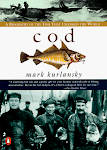
Cod, A biography of the fish that changed the world. By, Mark Kurlansky
Books of '11
- • Four Fish. By, Paul Greenberg
- • Environmental Law. By, Jamie Benidicson
- • Long Term Value Strategy for the Canadian Lobster Industry. By, Gardner Pinfold Market Research Associates
Books of '10
- • Fisheries Economics an introduction. By, Stephen Cunningham, Michael R. Dunn, and David Whitmarsh
- • Tar Sands. Dirty Oil and the Future of a Continent. By, Andrew Nikiforuk
- • Guns, Germs, and Steel. The Fates of Human Societies. By, Jared Diamond.
- • The End of Food. By, Paul Roberts
Books of '09
- • Silent Spring. By, Rachel Carson
- • Sea Sick, the Global Ocean in Crisis. By, Alanna Mitchell
- • The world without us. By, Alan Weisman
- • Bottomfeeder. How to eat ethically in a world of vanashing seafood. By, Taras Grescoe
- • Life in 2030: Exploring a Sustainable Future for Canada. By, John B. Robinson
- • The Whale Warriors. The battle at the bottom of the world to save the planet's largest mammals. By, Peter Heller
- • In a perfect ocean. The state of fisheries and ecosystems in the north atlantic ocean. By, Daniel Pauly and Jay Maclean
- • The end of the line. How overfishing is changing the world and what we eat. By, Charles Clover
Favorite Posts
Labels
- climate change (5)
- coast (1)
- Dear Korea... (2)
- energy (2)
- finning (2)
- fish (10)
- fisheries (9)
- garbage island (2)
- green building (1)
- Guest post (2)
- hypoxia (1)
- Interesting people (5)
- longlines (1)
- movies (1)
- ocean (19)
- organic (1)
- paper (3)
- plastic (4)
- recycling (6)
- seafood (6)
- shark (2)
- water (4)
- whales (1)
Blog Roll
Followers
Visitors
This work is licensed under a Creative Commons Attribution-Noncommercial-No Derivative Works 3.0 Unported License.


Post a Comment